
Call us now :08045477235
 Send Inquiry
 Send Inquiry
Measuring Cylinder
MOQ : 10 Pieces
Measuring Cylinder Specification
- Usage
- LABORATORY USAGE
- Type
- Cylinders
- Size
- 10ML TO 2000ML
- Product Type
- MESURING CYLINDER
- Equipment Materials
- Borocilicate glass 3.3
- Color
- TRANSPARENT
- Material
- glassware
- Application
- HEXAGONAL BASE MEASURING CYILINDER
- Warranty
- NO
Measuring Cylinder Trade Information
- Minimum Order Quantity
- 10 Pieces
- FOB Port
- Ambala
- Sample Policy
- If order is confirmed we will reimburse the sample cost
- Packaging Details
- Packing in the card board its very safe.its packed very well.
- Main Domestic Market
- All India
- Certifications
- fine quality
About Measuring Cylinder
Measuring Cylinder
These superior shock resistance quality of a borosilicate glass make these cylinders excellent for student use and lab use. The graduation marks are permanent. It's very good in quality.
Precision Measurement for Laboratories
Designed for laboratory professionals, this measuring cylinder guarantees accurate liquid volume assessment. The borosilicate glass construction ensures reliability even with volatile chemicals, making it a staple for scientific applications where precision is paramount.
Durable and Transparent Construction
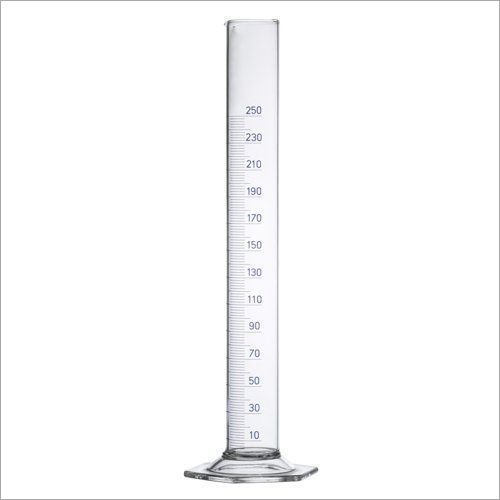
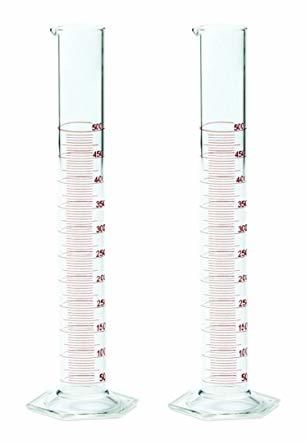
Each cylinder leverages borosilicate glass 3.3, recognized for its resilience against thermal shock and chemical corrosion. The transparency enables clear visibility of liquid levels, while the hexagonal base adds stability and safety during handling.
Versatile Sizing for All Requirements
Available in sizes from 10ml up to 2000ml, the measuring cylinder accommodates diverse laboratory needs. Whether assessing small samples or larger volumes, this product provides flexibility and accuracy for a wide range of scientific tasks.
FAQs of Measuring Cylinder:
Q: How should I properly use the hexagonal base measuring cylinder in the laboratory?
A: To use the measuring cylinder, place it on a flat, stable surface and fill it with the desired liquid up to the graduated mark for accurate measurement. The hexagonal base helps prevent tipping, ensuring safe and precise volume readings.Q: What are the benefits of choosing a borosilicate glass 3.3 measuring cylinder with a hexagonal base?
A: Borosilicate glass 3.3 offers excellent resistance to chemicals and thermal shock, extending the cylinders lifespan. The hexagonal base provides added stability, reducing the risk of spills and breakage during laboratory procedures.Q: Where are these glass measuring cylinders manufactured and supplied?
A: These hexagonal base measuring cylinders are manufactured and supplied by reputable suppliers in India, ensuring adherence to international laboratory glassware standards.Q: What process is involved in cleaning and maintaining the glass measuring cylinder?
A: After use, rinse the cylinder with appropriate cleaning solutions compatible with glassware. Avoid abrasive materials; gently clean and allow it to air dry to maintain clarity and precision in measurements.Q: When should I select a measuring cylinder size between 10ml and 2000ml?
A: The appropriate size depends on the volume you intend to measure; choose smaller capacities for precise measurements of small quantities and larger options for handling bigger samples efficiently.Q: Why is transparency important for laboratory measuring cylinders?
A: Transparency allows users to easily read liquid levels against graduation marks, ensuring accurate measurements and minimizing the risk of errors during experiments and sample preparation.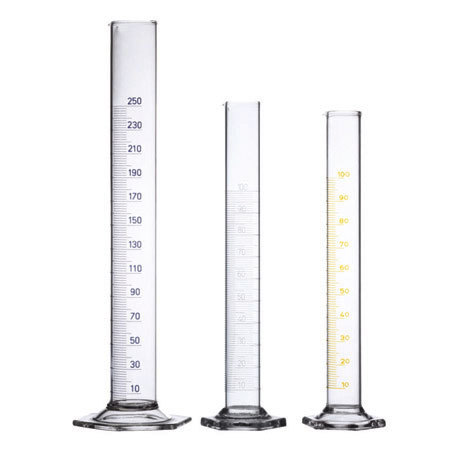
Tell us about your requirement

Price:
Quantity
Select Unit
- 50
- 100
- 200
- 250
- 500
- 1000+
Additional detail
Mobile number
Email

More Products in Hexagonal base measuring cylinder Category
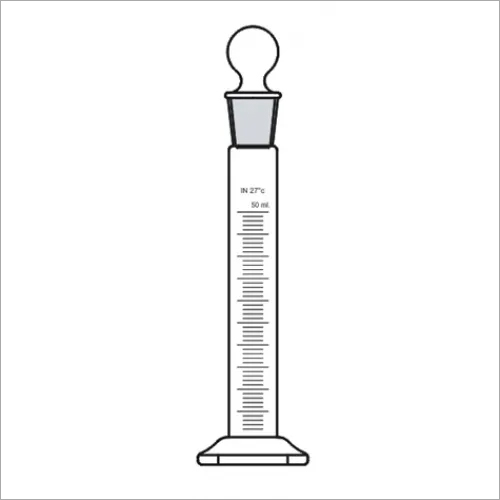
CYLINERS MEASURING
Price 65 INR / Piece
Minimum Order Quantity : 10 Pieces
Material : Glass
Type : Other, Standard Laboratory Equipment
Application : Measurement of liquid volumes
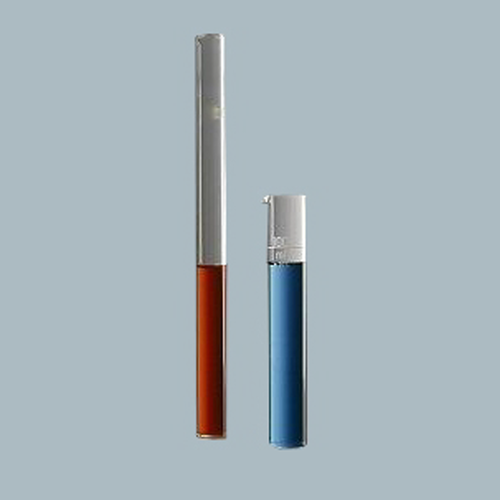
Nessler Cylinder
Price 70.00 INR / Piece
Minimum Order Quantity : 10 Pieces
Material : Borosilicate Glass ware
Type : Cylinders
Application : Nessler Cylinder
Product Type : Glass Ware

 Send Inquiry
Our Products
- Conical Flask
- Laboratory Beaker
- Laboratory Funnel
- Measuring Cylinder
- Reagent Bottle
- Laboratory Condenser
- Volumetric Flask
- Filter Flask
- Round Bottom Flask
- Kjeldahl Flask
- Iodine Flask
- Rotavapor Flask
- pipettes
- BURETTES
- TEST TUBE
- culture test tube
- GAS WASH BOTTILES
- Hexagonal base measuring cylinder
- Flask round bottom three necks

Plot No.68, Vikaspuri, Near Sai Baba Mandir,Ambala - 133006, Haryana, India

Mr Sanjeev Kumar
(Partner)
Mobile :08045477235
 Send Inquiry
 Send SMS
Developed and Managed by Infocom Network Private Limited.
